
Do This Energy Audit Before You Replace Your Windows
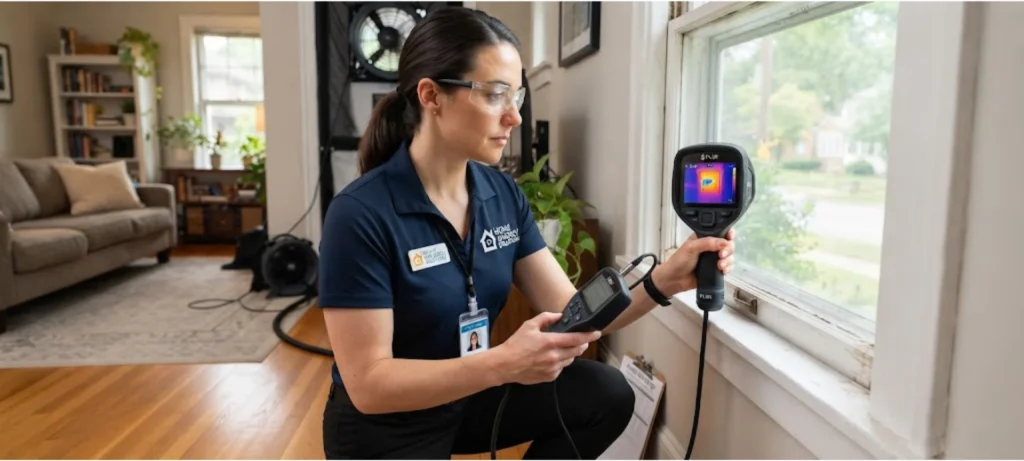
Replacing windows is often seen as the main fix for high energy bills. In many homes, it is only part of the issue. Heat loss can come from several areas, and windows may not be the biggest contributor.
An energy audit helps you understand where your home is actually losing energy. It gives you a clear starting point so you do not replace windows based on assumptions. This step helps you avoid unnecessary costs and focus on what will make the biggest difference.
If you skip this process, you risk upgrading windows while leaving other problems untouched. That leads to disappointing results and wasted investment.
Related Article: How to Seal Old Wooden Windows
What an Energy Audit Actually Checks
An energy audit is a detailed review of how your home uses and loses energy. It goes beyond a quick inspection and looks at how different parts of the house work together.
A proper audit typically includes:
- Inspection of window seals and frame condition
- Air leakage testing around doors, walls, and openings
- Evaluation of insulation levels in walls, attic, and basement
- Review of heating and cooling system efficiency
- Moisture and condensation checks
This process builds a full picture of your home’s performance. It shows whether your windows are the main issue or part of a larger problem.
Signs Your Windows May Be Losing Energy
Windows are still a common source of heat loss, especially in older homes. Before replacing them, it helps to recognize the signs that point to poor performance.
Look for these indicators:
- Noticeable drafts near the window frame
- Condensation between glass panes
- Difficulty opening or closing the window
- Higher heating costs during winter
- Cold spots near windows
These issues suggest that your windows may no longer be sealing properly. In many cases, upgrading to modern vinyl or energy-efficient models can improve performance significantly.
GTA Direct Windows & Doors provides high-quality options designed to reduce heat loss and improve comfort, backed by a lifetime transferable warranty and Canadian manufacturing standards.
Related Article: What Makes a Window Energy Efficient?
Where Energy Loss Often Gets Overlooked
Windows are visible, which is why they get most of the attention. However, many homes lose more energy through less obvious areas.
An energy audit often reveals problems such as:
- Poor attic insulation allowing heat to escape upward
- Gaps around plumbing or electrical penetrations
- Air leaks around doors and baseboards
- Outdated weatherstripping
If these issues are not addressed, new windows will not perform at their full potential. The goal is to fix the entire system, not just one component.
How to Do a Basic Home Energy Check
You do not need specialized equipment to start identifying problems. A simple walkthrough can highlight areas that need attention before calling a professional.
Try this step-by-step approach:
- Check for drafts
Move your hand around window edges and door frames on a cold day. Any noticeable airflow indicates a leak. - Inspect visible gaps
Look for cracks or separation in caulking around windows and exterior walls. - Look for condensation patterns
Moisture buildup on glass can signal poor insulation or ventilation issues. - Review insulation coverage
If accessible, check attic insulation depth and consistency. - Track energy usage trends
Compare heating and cooling bills over time to identify unusual spikes.
This initial check helps you prepare for a more detailed audit and gives context when discussing upgrades.
When Window Replacement Makes Sense
After an audit, you will have a clearer answer on whether replacing windows is the right move.
Window replacement is usually justified when:
- Existing windows are single-pane or outdated double-pane
- Frames are damaged or warped
- Air leakage cannot be sealed effectively
- Energy bills remain high despite other improvements
Modern energy-efficient windows reduce heat transfer, improve indoor comfort, and can lower utility costs over time. Options like vinyl frames and multi-pane glass are designed to perform better in Canadian climates.
Working with an experienced provider ensures proper installation, which is just as important as the product itself.
Related Article: 7 Clear Signs It’s Time to Replace Your Windows
How New Windows Fit Into a Bigger Plan
Replacing windows should be part of a broader energy strategy. The goal is to improve the overall efficiency of your home, not just one feature.
A balanced plan often includes:
- Sealing air leaks throughout the home
- Upgrading insulation where needed
- Improving ventilation systems
- Replacing windows with energy-efficient models
When these elements work together, you get better results. Indoor temperatures stay stable, and heating systems do not have to work as hard.
This is where professional guidance matters. A company with experience in energy-efficient installations can help you prioritize upgrades in the right order.
Avoiding Common Mistakes Before Replacing Windows
Many homeowners rush into window replacement without a full assessment. This leads to decisions based on assumptions rather than data.
Common mistakes include:
- Replacing windows without checking insulation
- Choosing style over performance ratings
- Ignoring installation quality
- Expecting windows alone to solve all energy issues
An energy audit helps you avoid these pitfalls. It ensures every upgrade is based on actual need, not guesswork.
Work With a Team That Looks at the Full Picture
A successful window replacement project starts with understanding your home as a system. This includes how air moves, where heat escapes, and how materials perform over time.
GTA Direct Windows & Doors offers consultation and professional installation backed by decades of experience. Their focus on energy efficiency, product quality, and clear communication helps homeowners make informed decisions from the start .
If your audit confirms that window replacement is the right step, choosing the right team ensures long-term performance.
Plan Smarter Before You Replace
Taking the time to run an energy audit changes how you approach window replacement. Instead of guessing, you move forward with clear data and realistic expectations.
This approach helps you:
- Spend your budget where it matters most
- Improve overall home comfort
- Avoid repeat repairs or upgrades
- Get better long-term value from new windows
If you are considering replacing your windows, start with an energy audit. From there, you can move forward with confidence and a clear plan. Call our team today.
Frequently Asked Questions
How much does a professional energy audit cost?
Costs vary depending on the size of your home and the level of detail. Basic audits may start around $200, while comprehensive assessments can cost more but provide deeper insights.
Can I replace windows without doing an energy audit?
Yes, but it increases the risk of missing other energy issues. An audit helps confirm whether window replacement is necessary or part of a larger fix.
Do new windows always reduce energy bills?
They can, but results depend on the condition of the rest of your home. Poor insulation or air leaks can limit the benefits.
How long does an energy audit take?
Most professional audits take between 1 to 3 hours, depending on the home size and inspection scope.
What type of windows are most energy efficient?
Double or triple-pane windows with low-emissivity coatings and insulated frames, such as vinyl, offer strong energy performance.
Is window installation as important as the window itself?
Yes. Poor installation can lead to air leaks and reduce efficiency, even with high-quality windows.
Should I fix insulation before replacing windows?
In many cases, yes. Addressing insulation first can improve overall efficiency and help you determine if window replacement is still needed.